
On March 15, Governor DeWine announced that Ohio will broaden the requirements to qualify for the state’s unemployment insurance policy. The following changes are expected to be made through an executive order:
- Individuals quarantined by a health professional or by their employer will be considered ‘unemployed’ and will not be required to actively seek work to qualify for unemployment benefits
- Companies that have determined it necessary to temporarily shut down operations will also be eligible to seek unemployment
- The one-week waiting period prior to payment will be waived
- The penalty for late reporting and payments for the next quarter will be waived for employers impacted by staff availability
The Order is also expected to ‘mutualize’ the costs for these additional benefits. We are actively monitoring for issuance of regulations to clarify what this will mean for employers.
The state’s unemployment insurance will continue to pay 50% of an individual’s base weekly pay, up to a maximum weekly benefit as determined by dependency classification:
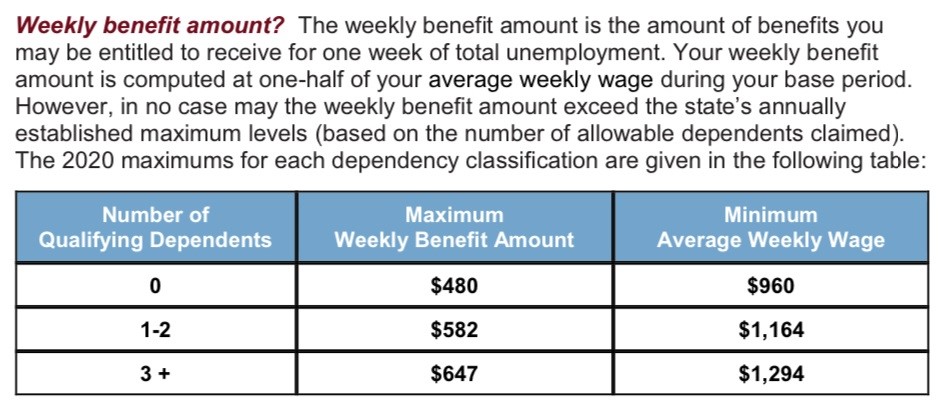
Source: https://unemployment.ohio.gov/PDF/HowOhioUCBenefitsAreCalculated.pdf
An update will follow once the Executive Order is issued.
KMK Law articles and blog posts are intended to bring attention to developments in the law and are not intended as legal advice for any particular client or any particular situation. The laws/regulations and interpretations thereof are evolving and subject to change. Although we will attempt to update articles/blog posts for material changes, the article/post may not reflect changes in laws/regulations or guidance issued after the date the article/post was published. Please consult with counsel of your choice regarding any specific questions you may have.
ADVERTISING MATERIAL.
© 2026 Keating Muething & Klekamp PLL. All Rights Reserved
Subscribe
 RSS Feed
 Follow us on Facebook
 Follow us on Twitter
 Follow us on LinkedIn
Topics/Tags
Select- Labor & Employment Law
- EEOC
- Immigration
- Employment Law
- Affirmative Action
- Compliance
- Department of Labor
- Discrimination
- Labor Law
- FMLA
- Wage & Hour
- NLRB
- Arbitration
- National Labor Relations Board
- Americans with Disabilities Act
- Coronavirus
- Diversity
- Social Media
- Reasonable Accommodation
- FLSA
- Sexual Harassment
- Employer Policies
- Title VII
- Sixth Circuit
- Employment Litigation
- Religion Discrimination
- Employer Rules
- Transgender Issues
- Workplace Violence
- Non-Compete Agreements
- Pregnancy Discrimination
- Overtime Pay
- Employee Benefits and Executive Compensation
- National Enforcement Plan
- OSHA
- Privacy
- Artificial Intelligence
- Holiday Policies
- Department of Justice
- NLRA
- Independent Contractor
- Joint Employer
- Telework
- Workplace Accommodations
- Supreme Court
- Federal Trade Commission
- Paid Leave Laws
- Litigation
- Tax Credit
- IRS
- Employee Tips
- One Big Beautiful Bill
- Worker Classification
- Harassment
- Disability Discrimination
- Retirement
- National Labor Relations Act
- Medical Marijuana
- Performance Improvement Plans
- Accommodation
- Department of Homeland Security
- Foreign Nationals
- Immigration and Customs Enforcement
- Immigration and Nationality Act
- Sexual Orientation Discrimination
- Employer Handbook
- Inclusion
- LGBTQ+
- ADAAA
- ERISA
- Race Discrimination
- Unions
- ACA
- Affordable Car Act
- Technology
- Federal Arbitration Act
- Medical Cannabis Dispensaries
- Disability
- Whistleblower
- United States Supreme Court
- 401(k)
- Equal Employment Opportunity Commission
- Fair Labor Standards Act
- Employment Settlement Agreements
- Benefits
- Gender Identity Discrimination
- Posting Requirements
- Class Action Litigation
- Disability Law
- E-Discovery
- Evidence
- Paycheck Protection Program
- Environmental Law
- Family and Medical Leave Act
- Privacy Laws
- Securities Law
- Preventive Care Benefits
- Health Savings Account
- SECURE Act
- US Department of Labor Employee Benefits Security Administration
- Healthcare Reform
- Representative Election Regulations
- Older Workers' Benefit Protection Act (OWBPA)
- Electronically Stored Information
- Telecommuting
- Compensable Time
- Equal Opportunity Clause
- Occupational Safety and Health Administration
- Security Screening
- E-Discovery Case Law
- Electronic Data Discovery
- ESI
- American Medical Association
- Attendance Policy
- Return to Work
- Seniority Rights
- Unemployment Insurance Integrity Act
- Classification
- Confidentiality
- Disability Leave
- Equal Pay
- Fair Minimum Wage
- Federal Minimum Wage
- Genetic Information Discrimination
- Media Policy
- Misclassification
- National Origin Discrimination
- Retaliation
- Social Media Content
- State Minimum Wage
- Wage Increase
- Employment Incentives
- HIRE Act
- Social Security Tax
- Taxation
- Antitrust
Recent Posts
- Authorization Without Documentation: Employers Left with I-9 Compliance Questions Following TPS Expirations for El Salvador, Sudan, and Ukraine
- EEOC Moves to Rescind 2012 Criminal Background Check Guidance
- EEOC Proposes Overhaul of Federal Workplace Discrimination Complaint Process
- OFCCP Publishes Final Rules Reducing Federal Contractor Affirmative Action Obligations
- US Court of Appeals puts $100,000 H-1B Fee on Hold Again
- Asking Is Protected: Sixth Circuit Expands FMLA Retaliation Protections
- New DHS Rule Will Restrict Student Periods of Admission from Duration of Status to Fixed End Date
- TPS Haiti Termination: How Employers Can Ensure I-9 Records Remain Compliant
- A New Enforcement Era: What Employers Should Know About the EEOC’s 2025–2029 National Enforcement Plan
- Beyond Paid Time Off: The Legal Side of Holiday Policies